
Chinowa Kuguri: Kyoto’s Summer Purification Rite and the Amulet Susanoo Gave
Note: This article is written in Japanese. English summary is provided at the end.
「陽熱至極しまた、日の長きの至りなるを以て也」
江戸時代の暦解説書『暦便覧』にある夏至の定義です。太玄斎によって記されたこの言葉からも、太陽の力が極まる日であることが伝わってきますね。
夏至は1年で最も昼が長く、影が最も短くなる日。でも日本では梅雨の最中で、肝心の太陽はたいてい雲の向こうに隠れています。
そのころ京都の神社では、ひとつの神事が静かに準備されます。
夏越祓(なごしのはらえ)年の前半に積もった罪や穢れを祓い、残る半年を無事に過ごすための儀式です。


夏越祓(なごしのはらえ)
大祓とは6月と12月の末に行われる除災の神事で、8世紀初頭の大宝律令によって宮中の正式な行事として認められました。6月晦日のものを夏越祓、12月のものを年越しの祓といいます。
現代のように毎日入浴する習慣がなかった時代、湿気の多い夏は疫病が蔓延しやすかった。この神事が庶民に広まった背景には、現実的な衛生への切実な願いもあったと考えられています。
茅の輪くぐり
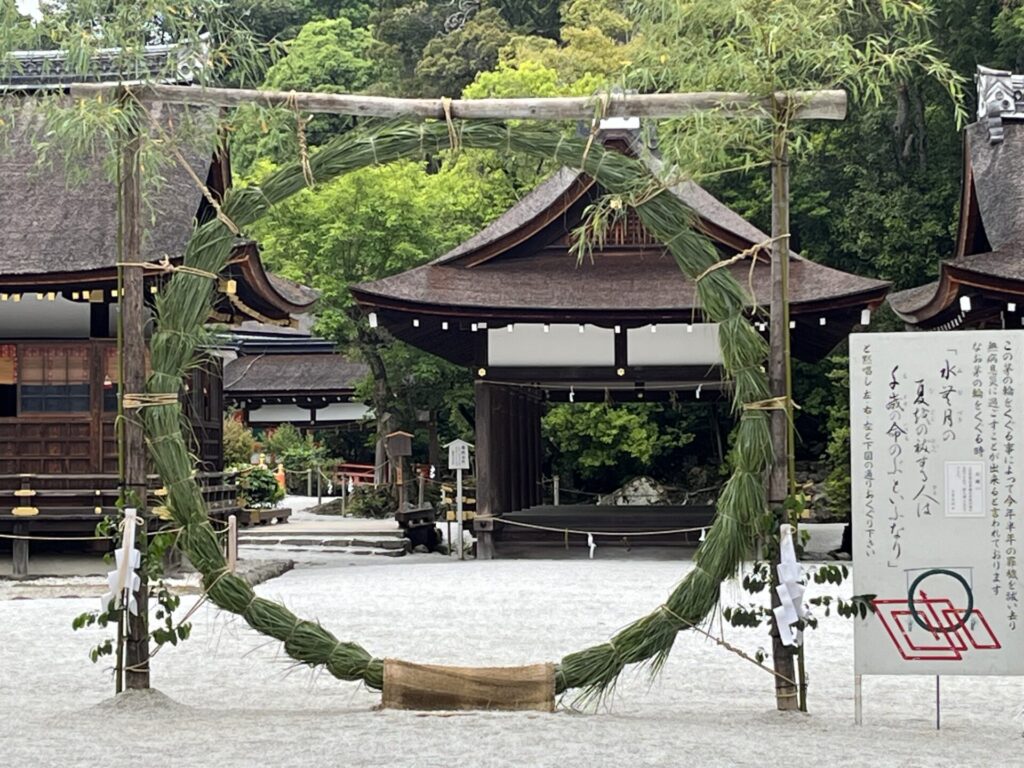
賀茂別雷神社(上賀茂神社)
6月になると京都の神社では境内に茅(ちがや)で編んだ大きな輪が設置されます。参拝者は「水無月(みなづき)の 夏越の祓する人は 千年(ちとせ)の命 延ぶといふなり」と唱えながら、左・右・左と八の字に3回くぐって穢れを払います。
この八の字の動きには深い意味があるんです。古事記の国生み神話で、イザナギとイザナミが御柱を左右に巡って神々を生んだ故事に由来するという説があります。単なる作法ではなく、創造の動作を体で繰り返す行為なのかもしれません。
なぜ「茅」なのか?スサノオが授けた護符の話
茅の輪が単なる飾りではなく強い霊的な意味を持つのは、ある神話に由来しています。
8世紀初頭に編纂された備後国風土記に「蘇民将来(そみんしょうらい)」の説話が記されています。旅の途中で宿を求めた武塔神(むとうのかみ)は、裕福な弟・巨旦将来(こたんしょうらい)に断られ、貧しい兄・蘇民将来に手厚くもてなされました。後に再訪した武塔神は蘇民の娘に小さな茅の輪を腰につけさせ、こう告げます。
「我は速須佐の雄の神(スサノオノミコト)なり。後の世に疫気あらば、汝、蘇民将来の子孫と言ひて、茅の輪を持ちて腰に着けたる人は免れなむ」
これが茅の輪の起源とされています。最初は腰につけるほどの小さなお守りだったものが、時代を経て人がくぐる大きな輪へと変化していったんですね。
また「茅」という漢字は「草の矛」を意味し、中国では古くから魔除けとして神前に供えられてきた植物でもあります。葉の鋭い形状が剣に見立てられ、スサノオとの縁も深いのだそうです。
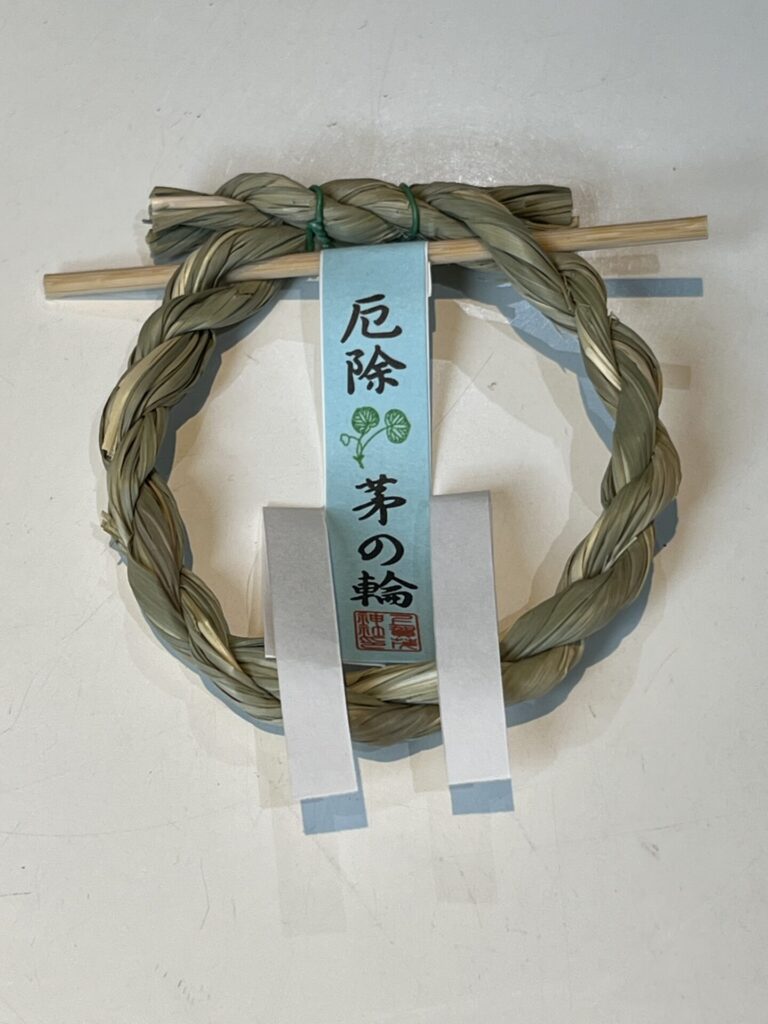
蘇民将来から祇園祭の粽へ―京都の夏はひとつながり
スサノオを祀る八坂神社の祇園祭が7月に行われるのは偶然ではありません。祇園祭では「蘇民将来子孫也」と記した厄除粽(ちまき)が授与されます。6月の茅の輪と7月の粽は、同じスサノオ・蘇民将来の系譜にある護符なんです。
祇園祭の山鉾は疫鬼を追い込む呪具として生まれました。市中を練り歩いて悪霊を集め、スサノオの鎮座する八坂神社へと向かう――そういう構造が、平安の昔からずっと続いているんですね。
6月の夏越祓から7月の祇園祭へ。京都の夏は、実はひとつながりの「祓いの季節」として設計されているのかもしれません。
人形(ひとがた) 形代
この時期、神社には紙で作った人形(ひとがた)が置かれています。名前と年齢を書き、息を吹きかけて穢れを移します。身体の悪い部分を人形で撫でて移すこともあります。
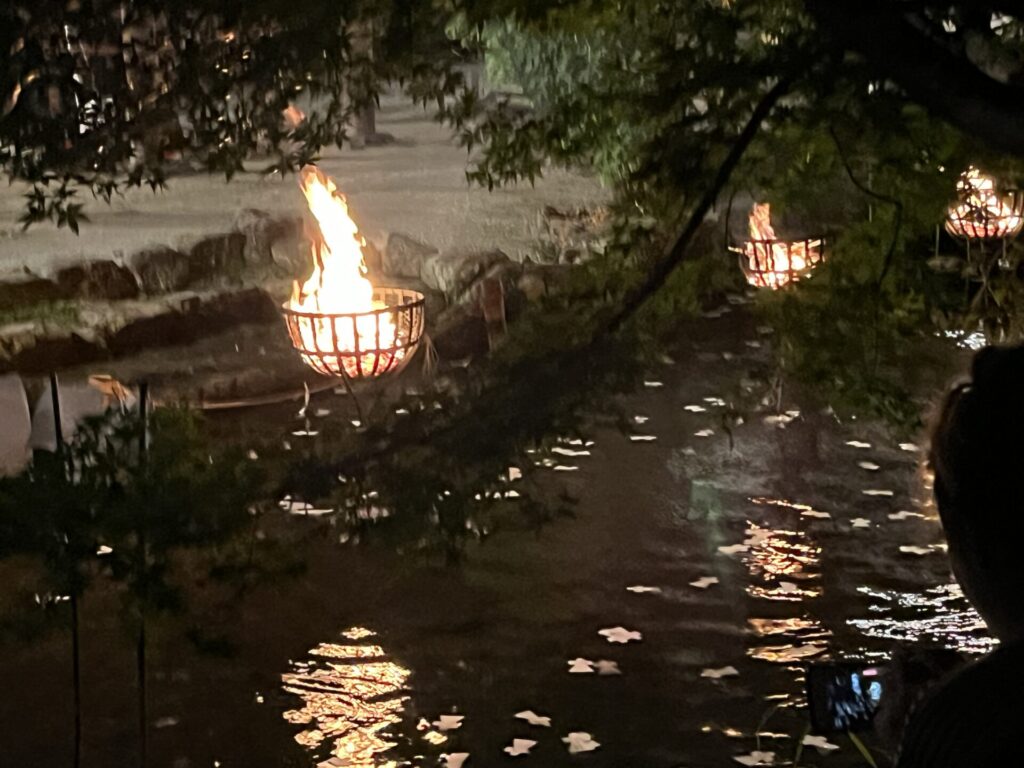
上賀茂神社では6月30日、茅の輪くぐりの神事の後に人形流しが行われます。中臣祓詞が奏上される中、白い紙の人形がならの小川をゆっくりと流れていく。
その光景はとても厳かで、日常から切り離されたような静かな時間が流れます。ぜひ一度見ていただきたい場面です。
上賀茂神社では6月30日の夜、夏越祓に参加した方はお祓いをしていただけます。その際、次の言葉を心の中で唱えるとアナウンスされていました。和泉式部の歌です。
思ふこと みなつきねとて
麻の葉を 切りに切りても
祓へつるかな
現地では麻の葉が笹の葉にも聞こえましたが、この歌の力強さは変わりません。思い悩むことをすべて断ち切るように、麻の葉を切り続けて祓い清めた
そんな意味の歌です。
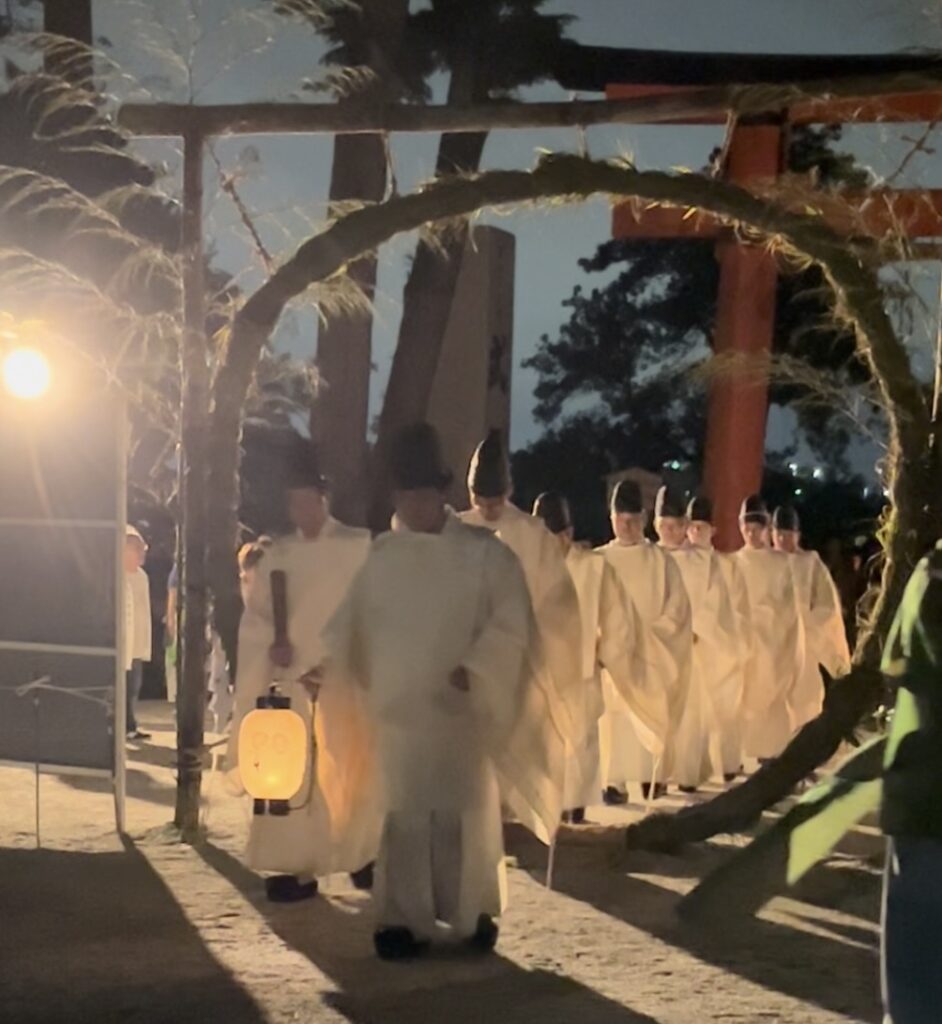
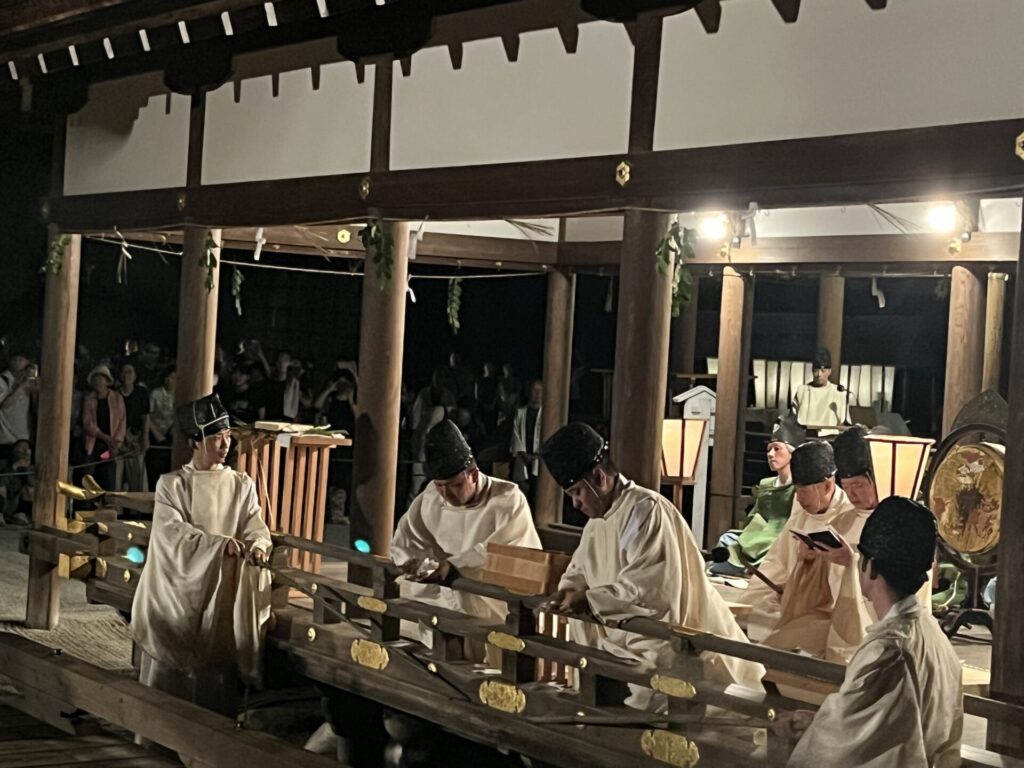
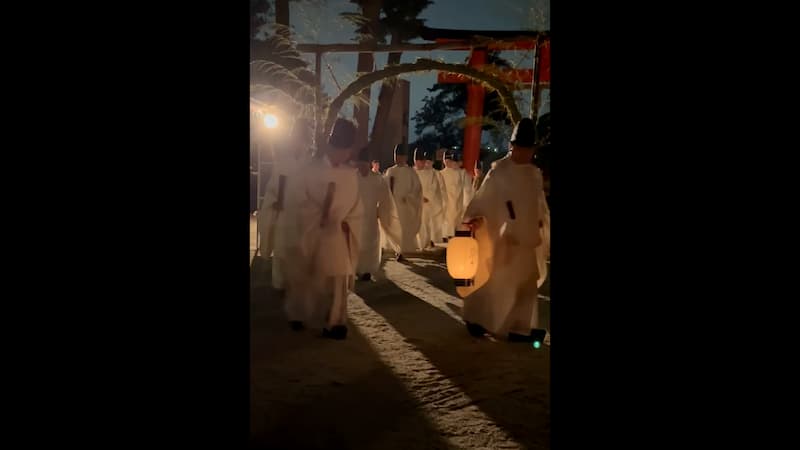
下記YouTubeでは神職が6月30日の晩に茅の輪を左回り、右回り、左回りと8の字に3回くぐる様子がご覧いただけます。
京都の人は必ず食べる水無月
6月30日、京都の人は必ず水無月というお菓子を食べます。葛や外郎(ういろう)の上に小豆をのせ、三角に切ったもの。三角の形は氷室の氷を象り、小豆は魔除けを意味しています。
かつて夏の氷は貴族だけの贅沢品でした。庶民はこの菓子を食べることで、氷を口にする涼しさと魔除けの力を重ねて願ったのでしょうね。
京都では各和菓子屋がそれぞれの水無月を出しています。仙太郎の抹茶水無月、五建外郎の水無月
お気に入りの店で買い求める京都の人の熱量はなかなかのものです。食べ比べてみるのも6月の楽しみのひとつですね。
6月の京都へ来たなら、茅の輪をくぐり、水無月を食べ、ならの小川に人形が流れる様子を眺めてみてください。そうするだけで、京都が1300年かけて積み重ねてきた「祓い」の感覚が、なんとなく体に入ってくる気がします。
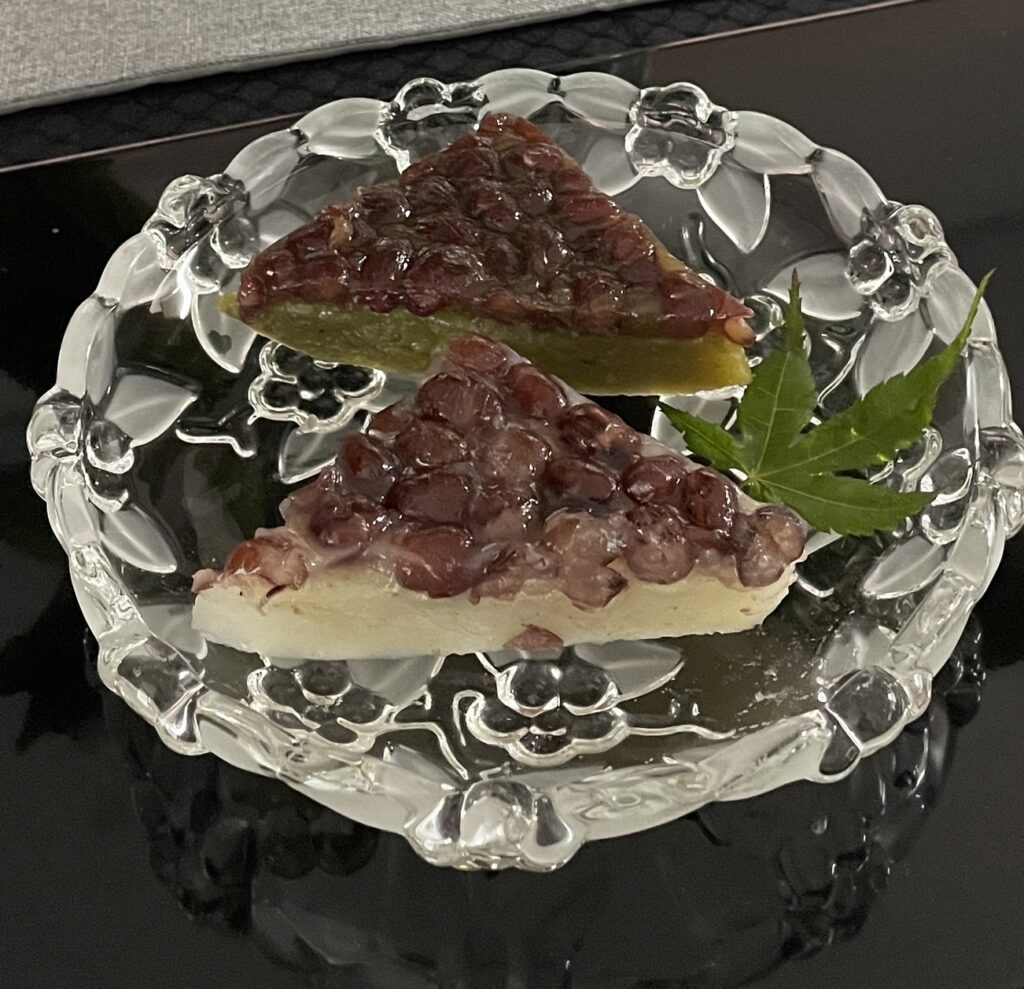
6月にはぜひ茅の輪くぐりをして水無月を食べ、無病息災を祈願しにっこりできるといいですね。
English Summary
Around the summer solstice, Kyoto’s shrines prepare for one of Japan’s most ancient purification ceremonies: Nagoshi-no-Harae (夏越祓), the Great Purification of Midsummer. Held on June 30th, this ritual aims to cleanse the accumulated sins and impurities of the year’s first half, and to pray for safe passage through the months ahead.
The Chinowa: Walking Through a Sacred Ring
At shrines like Kamigamo Shrine (上賀茂神社), a large ring woven from chigaya grass — called a chinowa (茅の輪) — is erected at the entrance. Visitors pass through it three times in a figure-eight pattern while chanting a verse that promises a thousand years of life to those who observe the rite. The figure-eight movement itself echoes an ancient creation myth: in the Kojiki, the gods Izanagi and Izanami circled a sacred pillar in opposite directions to give birth to the islands of Japan.
The Myth Behind the Ring: Susanoo and Somin Shorai
The chinowa carries deep mythological weight. According to the Bingo no Kuni Fudoki (備後国風土記), compiled in the early 8th century, a god called Mutō-no-Kami was traveling when night fell. He asked two brothers for lodging. The wealthy younger brother refused him. The poor elder brother, Somin Shorai, welcomed him warmly despite having little to offer.
When the god returned years later, he gave Somin’s daughter a small ring of chigaya grass to wear at her waist. That night, all others in the household were struck down by plague — but Somin’s family was spared. The god then revealed his true identity: “I am Susanoo no Mikoto. In future ages, when plague comes, those who say they are descendants of Somin Shorai and wear a ring of chigaya shall be protected.”
This is the origin of the chinowa. What began as a small personal amulet eventually grew into the great ring that people walk through today.
From the Chinowa to the Gion Festival Chimaki
The thread from Nagoshi-no-Harae continues into July’s famous Gion Festival. Yasaka Shrine, which enshrines Susanoo, distributes a protective rice dumpling (chimaki) inscribed with the words “Somin Shorai no Shison nari” — “I am a descendant of Somin Shorai.” The towering floats (yamahoko) of the Gion procession were originally ritual tools to drive pestilence spirits through the city streets and into the shrine, where Susanoo’s power would subdue them.
In this sense, Kyoto’s summer is one continuous act of purification: the chinowa in June, the chimaki and yamahoko in July — all rooted in the same ancient covenant between Susanoo and a humble man who showed hospitality to a stranger.
Paper Dolls on the River
At Kamigamo Shrine, the evening’s rites include a quiet and moving ceremony: paper dolls (hitogata) onto which worshippers have breathed their impurities are floated down the Nara-no-Ogawa stream as sacred prayers are recited. Watching the white figures drift downstream in the evening light is one of those Kyoto moments that stays with you long after.
Minazuki: Eating Ice You Cannot Have
On June 30th, Kyoto residents eat a sweet called minazuki — a triangle of uiro (rice flour cake) topped with sweet red beans. The triangle represents a block of ice from the imperial icehouse; in the Heian period, summer ice was a luxury available only to the aristocracy. The red beans ward off evil. By eating this small cake, ordinary people symbolically shared in both the coolness and the protection they could not otherwise afford. Each confectioner in Kyoto has its own version — comparing them is a quiet pleasure that belongs entirely to this season.
If you find yourself in Kyoto in late June, walk through the chinowa, eat a minazuki, and watch the paper dolls drift down the Nara-no-Ogawa. In those small acts, you step into a current of ritual that has flowed unbroken for over a thousand years.